From 2013 to 2026: How Technology Has Changed My Small Creative Business in 13 Years
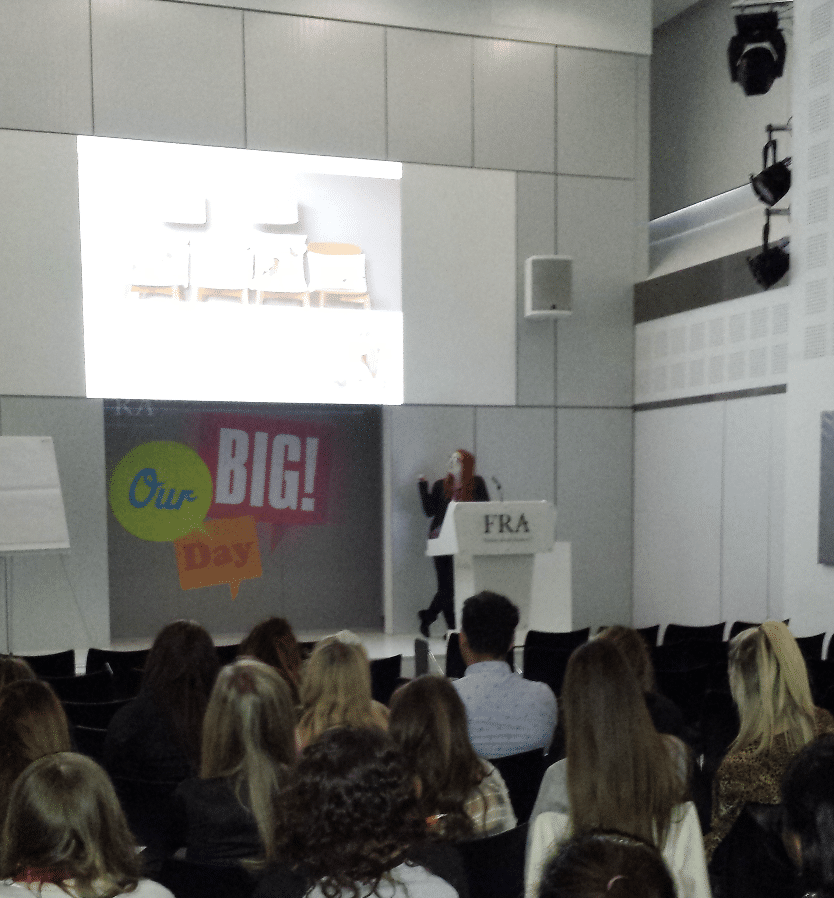
In 2013, I was invited to speak at the Fashion Retail Academy in London about how I used technology and the internet to run my independent design business. Thirteen years later, I wonder what on earth I’d talk about now!
Back in 2013, I’d been running Lorna Syson for just four years. I was still relatively new to the world of business, having launched my nature-inspired surface pattern design brand in 2009 with support from The Prince’s Trust.
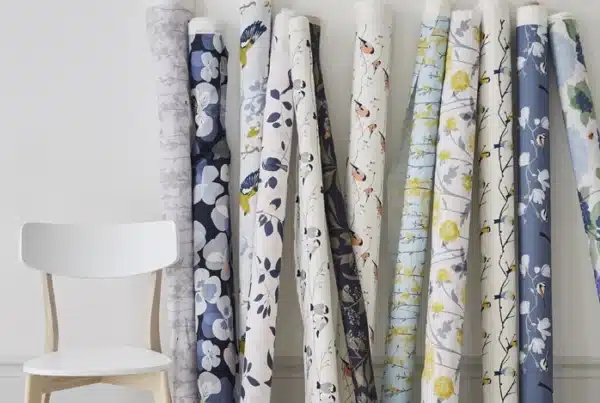
I was designing wallpaper, fabrics and home accessories, building relationships with independent retailers, attending trade shows and learning how to make a living from my creativity.
The internet was already an important part of running my business, but it was a very different place from the one we know today.
Instagram was still relatively new, TikTok didn’t exist, artificial intelligence wasn’t something most small businesses were using, and creating a professional-looking video for social media certainly wasn’t as simple as picking up your phone.
So, what has changed over those 13 years? And if I were invited back to the Fashion Retail Academy in 2026, what would I tell the next generation of creative entrepreneurs?
2013: When Having an Online Presence Was Still a Big Deal
When I gave my talk in 2013, having a website, maintaining a blog and using social media effectively were increasingly important ways for independent designers to compete with larger businesses.
As a small business owner, technology gave me opportunities that would have been much harder to access just a few years earlier.
I could showcase my designs online, reach customers outside my local area and communicate directly with people interested in my work.
Facebook and Twitter were important social platforms, while Instagram was beginning to establish itself as a visual space for designers, photographers and creatives.
Blogs were also a valuable way to share the stories behind products, explain the design process and help customers discover a business through Google.
But online activity was only part of the picture.
Trade shows were still a huge part of my business. I regularly exhibited at events such as Top Drawer, 100% Design, Tent London and Home & Gift Harrogate, as well as international shows in Paris and New York.
These events helped me meet buyers, build wholesale relationships and introduce my designs to new audiences.
In 2013, the internet supported many of those traditional ways of doing business.
Today, for many small brands, the internet has become the main way of doing business.
Social Media: From Sharing Photographs to Becoming a Content Creator
One of the biggest changes I’ve seen is how much social media now demands from small business owners.
In 2013, sharing a photograph of a new product, an interesting design or something happening in the studio could be enough to start a conversation.
Social media felt much more spontaneous.
Fast-forward to 2026 and we’re expected to understand Instagram Reels, Stories, carousels, video hooks, trending audio, engagement rates, algorithms and content strategies.
And that’s before we even start thinking about Facebook, Pinterest, YouTube Shorts and TikTok!
As a designer, I’ve always loved photography and sharing the inspiration behind my work. But sometimes I do miss the days when a beautiful photograph could speak for itself.
Now, rather than simply sharing what I’ve created, I’m also expected to be a photographer, video editor, copywriter, presenter and digital marketer.
The technology has made creating content easier, but the expectations have become much greater.
If I were giving my talk today, I’d tell students that social media is a fantastic tool, but they shouldn’t build their entire business around an algorithm they don’t control.
From Photoshop and Illustrator to Canva, Video Editing and AI
Adobe Illustrator and Photoshop have been essential parts of my design process since I started my business.
I still use Illustrator to develop my nature-inspired patterns, turning my photographs and drawings of British birds, flowers and wildlife into designs for wallpaper, fabrics and stationery.
That creative process hasn’t fundamentally changed.
What has changed is the number of tools available to help me run the rest of my business.
In 2013, creating marketing materials, editing photographs and preparing professional presentations could be time-consuming.
Today, tools such as Canva, Adobe Express and video editing software make it much quicker to produce professional-looking content.
And then there’s artificial intelligence.
AI tools such as ChatGPT can help with researching topics, planning marketing campaigns, drafting content, understanding analytics and exploring new ideas.
I now think about things like search engine optimisation (SEO), answer engine optimisation (AEO) and generative engine optimisation (GEO), terms that certainly weren’t part of my everyday business conversations in 2013.
But there’s something important I would want students to understand.
Technology should support your creativity, not replace it.
AI might help me organise my thoughts or make sense of marketing data, but it doesn’t replace the feeling of discovering bluebells in an ancient woodland or watching a tiny bird move through the trees.
Those experiences are what make my designs personal.
The Rise of Online Shopping and the Changing Role of Trade Shows
In 2013, trade shows were an important part of building a wholesale business.
Buyers would visit stands, discover new collections, place orders, and develop relationships with designers.
I spent years exhibiting at shows across the UK and internationally.
It was exciting, exhausting and expensive!
Today, the wholesale landscape looks very different.
Platforms such as Faire allow independent retailers to discover designers and order products online without needing to attend a trade show.
Retailers can browse collections, compare products and place orders at times that suit them.
For small brands, this opens up opportunities to reach stockists who might never have discovered them otherwise.
But there are trade-offs.
Online marketplaces charge fees, competition is fierce and it can be difficult to stand out among thousands of other businesses.
I’ve also experienced how online retail platforms can change their pricing structures and how those changes can affect the businesses that depend on them.
For example, I made the decision to leave Not On The High Street after changes to its fee structure, combined with declining sales, meant it was no longer financially worthwhile for my business.
It’s a reminder that although technology creates opportunities, it doesn’t automatically guarantee profitability.
If I were speaking to students today, I’d spend time explaining the importance of understanding costs, profit margins and the risks of relying too heavily on one sales platform.
Google Has Changed – And Now We’re Optimising for AI Too
Back in 2013, having a website that appeared in Google searches was a major advantage.
Search engine optimisation was already important, but the way people discover products and information has changed enormously.
Today, I’m thinking about three different ways to make my business easier to find.
SEO – Search Engine Optimisation
Making sure my website and blog posts are structured so that Google and other search engines can understand and recommend my content.
For example, someone searching for British bird wallpaper or nature-inspired fabric UK might discover my designs.
AEO – Answer Engine Optimisation
Creating useful, clearly written content that answers questions customers are asking.
For example, How much wallpaper do I need?, What is paste-the-wall wallpaper? or How do I choose fabric for upholstery?
GEO – Generative Engine Optimisation
Helping AI-powered search and recommendation systems understand who I am, what I create and why my business might be relevant to someone’s question.
The aim is to make my expertise, products and business information clear and accessible, although no technique can guarantee inclusion in AI-generated answers.
Thirteen years ago, I wanted customers to find my website through Google.
Today, I also want people asking AI tools for recommendations about independent British designers to be able to discover Lorna Syson.
It’s a completely different challenge.
Understanding Your Customers Through Data
Another major change is the amount of information available to small businesses.
In 2013, I could look at website visits, sales figures and social media interactions to get an idea of what was working.
Today, tools such as Google Analytics 4, email marketing platforms and online shop reporting systems provide far more detailed information.
I can explore how customers discover my website, which pages they visit, what products interest them and where people leave the purchasing process.
Email marketing can also be much more targeted.
Rather than sending exactly the same newsletter to everyone, businesses can create different messages for customers interested in particular products, past purchasers or wholesale stockists.
We can test subject lines, measure clicks and use the results to improve future campaigns.
But I think there’s a danger of getting lost in all the numbers.
Sometimes it’s worth remembering that behind every website visitor or email subscriber is a real person.
And building genuine relationships with customers is still just as important as it was in 2013.
Running a Business From Anywhere – Well, Almost!
One of the biggest personal changes has been where and how I work.
For seven years, I was based at Cockpit Arts in southeast London, surrounded by a wonderful community of independent designers and makers.
Today, I run Lorna Syson from my studio in South Oxfordshire, where I’ve brought my design work, stock and order fulfilment back together.
Technology has made that possible in ways that would have been much more difficult when I started.
I can manage my website, communicate with manufacturers, update stock, speak to customers, create marketing content and process orders without needing to travel into London every day.
Having two young children has also changed how I think about my working life.
I want a business that fits around family life while still giving me the opportunity to be creative.
Technology offers that flexibility, although anyone who runs their own business will know that being able to work anywhere can sometimes make it difficult to stop working!
If I Returned to the Fashion Retail Academy in 2026, What Would I Talk About?
I think my talk would be quite different today.
Rather than focusing simply on how I use the internet to promote and sell my designs, I’d want to talk about how to build a creative business that can adapt.
These would be my main messages to students:
1. Learn the technology, but don’t forget your creative identity
There will always be new platforms, software and trends. Learn what helps your business, but don’t feel you have to follow everything.
Your creativity and individuality are what make you different.
2. Build something you own
Social media is brilliant for discovery, but your website, your brand, your original designs and your customer relationships are valuable long-term assets.
Don’t rely entirely on a platform that could change its algorithm tomorrow.
3. Understand the numbers
Being a talented designer doesn’t automatically make you a successful business owner.
Learn about pricing, margins, cash flow, marketing costs and how to measure whether something is actually working.
4. Be prepared to change direction
The way I run Lorna Syson today looks very different from the business I launched in 2009.
I’ve moved studios, changed how I sell, developed new products, stopped attending trade shows and brought fulfilment back in-house.
Being adaptable has been essential.
5. Use AI thoughtfully
Artificial intelligence is going to continue changing how creative businesses work.
Learn how to use it effectively, check its outputs and understand its limitations.
But remember that your experiences, skills, originality and personal perspective are things worth protecting.
6. Relationships still matter
Whether it’s a customer, manufacturer, retailer, collaborator or fellow designer, people are still at the heart of running a successful business.
Technology might change how we connect, but trust and good relationships remain incredibly valuable.
What Hasn’t Changed in 13 Years?
For all the changes in technology, there are some things that haven’t changed at all.
I still find inspiration in the natural world.
I still love the process of turning a photograph or sketch into a pattern.
I still get excited when someone chooses my wallpaper for their home, orders a cushion or sends one of my greeting cards.
And I still believe in creating products that are thoughtfully designed and beautifully made.
The tools I use to run Lorna Syson have evolved enormously, but the reason I started the business hasn’t changed.
I wanted to make a living doing something creative, sharing my love of nature through design and creating products that bring a little happiness into people’s homes.
Technology has helped me reach more people and adapt my business over the years, but it has never been the reason I design.
Looking Ahead to the Next 13 Years
When I stood in front of students at the Fashion Retail Academy in 2013, I couldn’t have predicted how much the digital world would change.
And I certainly can’t predict what running a creative business will look like in 2039.
Will we still be scrolling through Instagram? Will people discover products entirely through AI assistants? Will websites look completely different?
Who knows!
But if the last 13 years have taught me anything, it’s that running a small business means being willing to learn, experiment and sometimes completely rethink how you do things.
I’d love to know what the students from that 2013 talk are doing now, and whether any of them went on to start their own creative businesses.
Perhaps one day I’ll get the opportunity to return and give that updated talk.
I certainly wouldn’t be short of things to say!
Lorna x
Frequently Asked Questions
How has technology changed small creative businesses since 2013?
Technology has made it easier for independent designers to sell online, create digital marketing content, reach international customers and analyse business performance. However, it has also increased competition and the amount of digital marketing knowledge small business owners need.
How does Lorna Syson use technology in her design business?
Lorna Syson uses Adobe Illustrator and other digital design tools to develop nature-inspired surface patterns, alongside website management, ecommerce, social media, email marketing, analytics and AI-assisted business tools.
Can you run an independent design business from home?
Yes. Many independent designers now run businesses from home studios using online selling platforms, digital design software, cloud-based business systems and remote communication tools. Lorna Syson operates from a studio in South Oxfordshire, working with British manufacturers to produce wallpaper, fabrics and other products.
Is AI useful for independent designers?
AI can help independent designers with business administration, marketing research, content planning and data analysis. However, original design skills, creative judgement, customer relationships and a distinctive brand identity remain important.