Ever wondered what actually happens between a publisher or illustrator saying yes to a book idea and finished artwork landing on a shelf? It is a lot more than sketching and colouring in. I am Lorna, a book illustrator UK publishers hire when they want illustrated books that truly work, and I want to open the door on how my book commissions really run.
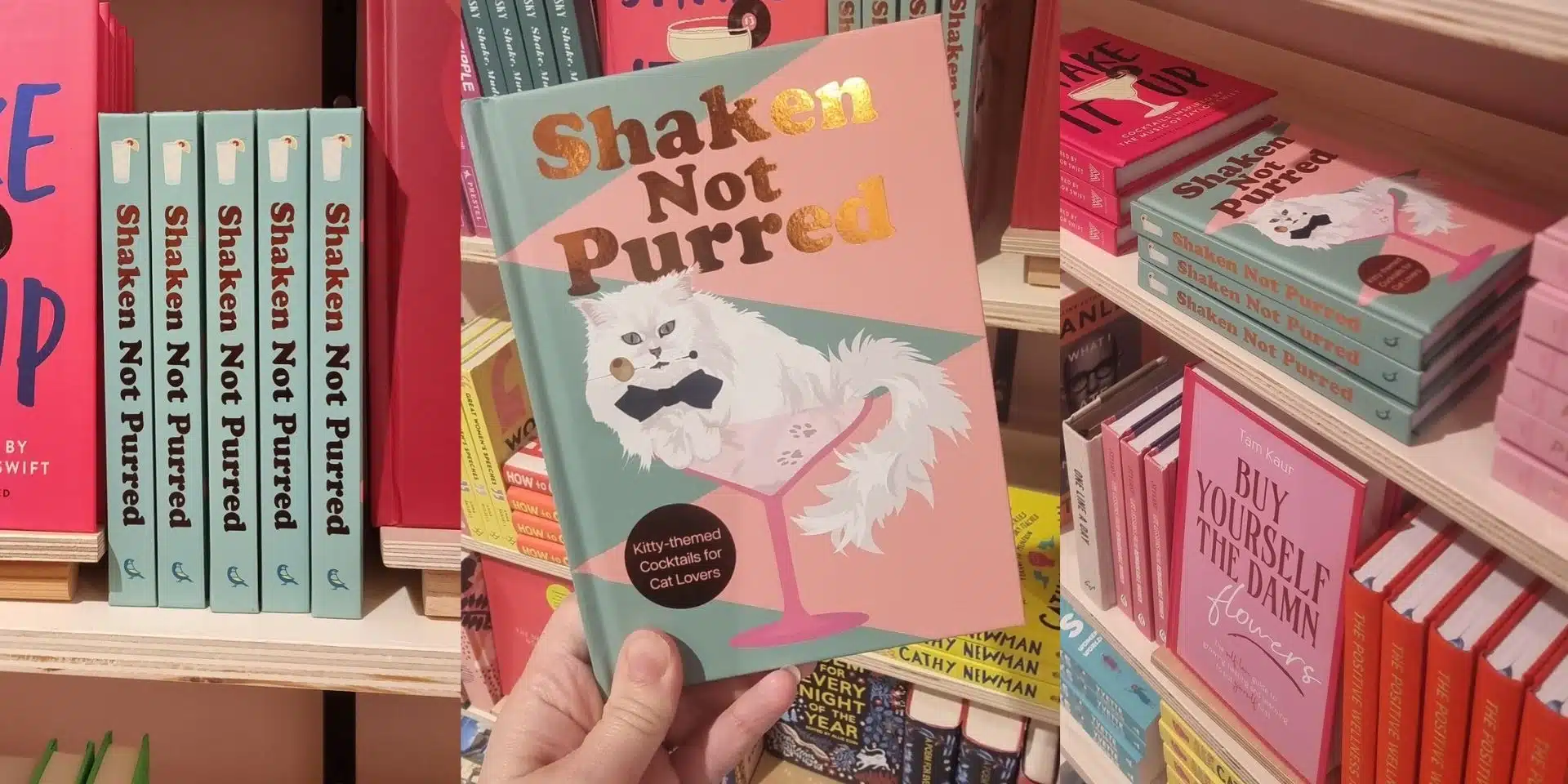
I’ve illustrated three books so far: the garden birds pop-up book for Walker Books’ RSPB range, as well as Shaken Not Stirred and Boozehounds, published by Quercus Books
If you are a publisher or commissioning editor, hello, I’d love to work with you! Please see what I’ve done so far, and I’d love to see what I can create for you!
Why I Am Writing About My Book Commissions
When you commission a book, you see the finished thing. The artwork arrives, the pages turn, and it goes to print. What you never see is the weeks before that: the sketches nobody kept, the spreads redrawn twice, the small corrections that made the birds sit up straight.
I have illustrated three commissioned books: the garden birds pop-up book, shaken not stirred, and boozehounds. I am writing about them because the process is the part that never gets shown, and for me this is really exciting!
This is not a general guide to publishing. It is a case study of how I work. I will walk you through the brief, reference, roughs, feedback rounds, final artwork and handover, plus the extra layer a paper engineered book adds.
Three Commissions, Three Different Sets of Rules
No two commissions run the same way, even with the Shaken no purred book and Boozehounds book; even though it was the same publisher, I worked with different contacts within the company and each person brought their own created flair into collaboration. The licensed garden birds pop-up for Walker Books’ RSPB range pulls hardest on paper engineering, where artwork and folds must be solved together; it was fascinating to learn so much from this collaboration around paper engineering! Shaken not stirred was the first of my cocktail books and is all about the illustrations supporting the recipes. Boozehounds tests humour, because a joke has to land in a rough before it reaches final art.
Across all three, the same spine held: brief, reference, roughs, approval, final artwork, handover.
The Garden Birds Pop-Up Book for Walker Books’ RSPB Range
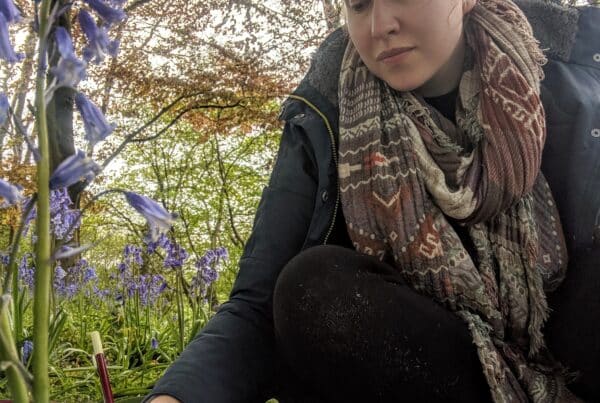
This commission came from Walker Books for its RSPB range. The brief was specific: British garden birds, a format that folds and moves, and an audience who already know what a blue tit looks like. A bird that reads as generic will not pass. Details were key; I’d managed to get this commission through the details already within my own work. I was lucky enough to get noticed at one of my Cockpit Arts open studios, at the point the publisher knew they needed to find an illustrator for the RSPB book.
Paper engineering sets the rules. Artwork is built in layers, so birds sit on separate planes rather than one flat spread. Illustration and engineering were solved together, not in sequence, with each bird’s position tested against fold lines, tabs and page edges as the drawings developed.
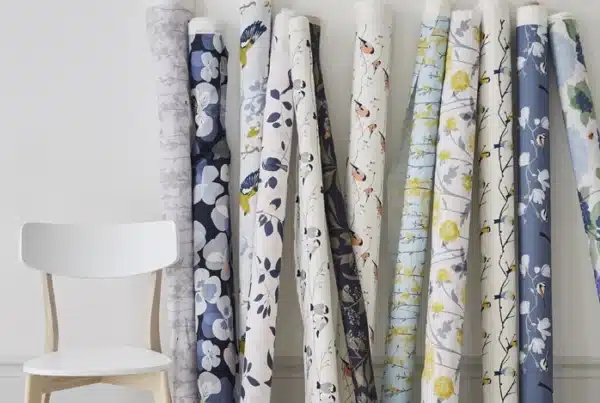
Underneath the styling sits accuracy. Markings and proportions had to hold true to real species, so every pop-up reads as a garden bird and not a shape with wings. That same attention to detail runs through my bespoke fabric and wallpaper commissions.
Before publication, publisher and partner naming is confirmed, along with which spreads, sketches or dielines are cleared to show.
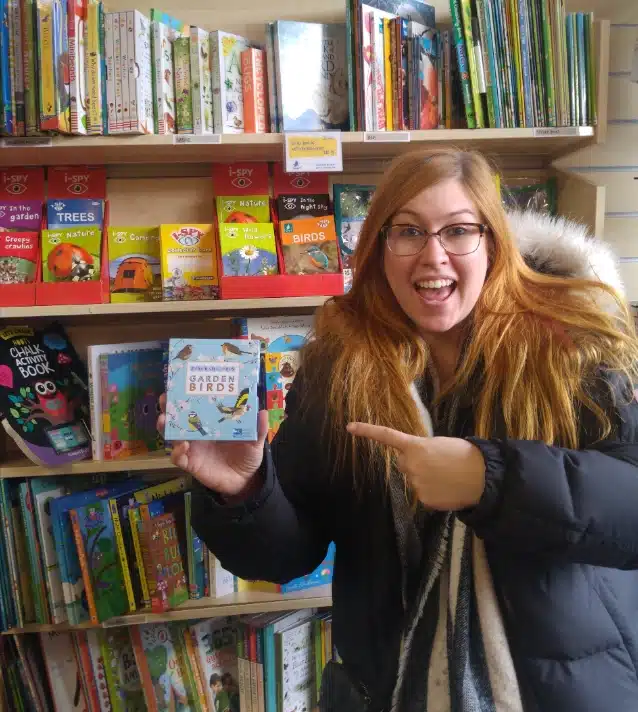
We spent a long time tweaking wings, perfecting colours, making the birds feel accurate, yet illustrated. I was so proud of this work and was really excited when I was out and about and seeing this book for sale! I also purchased books to sell via my website and local events; they sold out every time! I’m lucky enough to have one copy left at home
Shaken Not Stirred
Where the pop-up demanded paper engineering, shaken not stirred is a conventional illustrated book. Flat artwork and fun and quirky designs did the heavy lifting here
I was contacted by the publishers after they had found my cat illustrations for greeting cards online! Thank goodness for SEO for getting me higher up the Google searches!
They wanted my style, which was so flattering and also made the commission much more fun; they wanted what I loved doing, so as long as I loved the brief, there was little second-guessing about what they actually wanted! We worked together well, on a very tight deadline. The author was writing the cocktail recipes, coming up with the cat puns, and then I started on the roughs. The publishers created a brief based on the recipes, and I then got to enjoy bringing those words to life with my drawings. After sending these over and getting feedback, the designs were tweaked and the finals submitted
Boozehounds
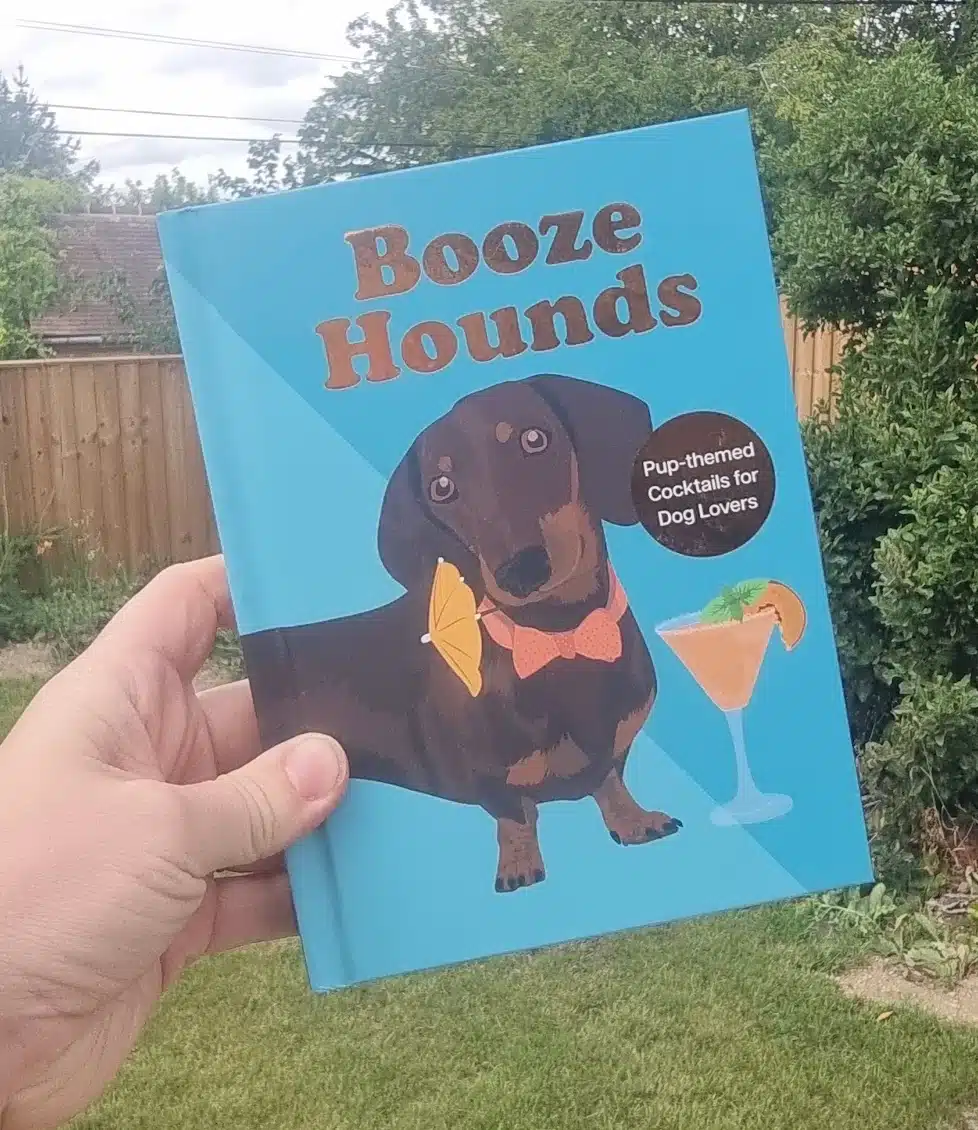
Boozehounds is the follow-up to Shaken no Stirred, but this time illustrating dogs. I designed the front cover first, based on my friend’s sausage dog, a fun illustration to get a feel for this book to pitch to bookshops. Another tight timescale with these, but I got to place my two dogs in the books, which for me was a really big thing. We used lots of the publisher’s dogs in these illustrations as well as from my own network. I love that there are so many actual dogs inspiring the designs
This was lots of work, but because the publisher and I had already worked together, it was great having that starting point, and knowing what they are looking for. Hardly any tweaks needed to be made for this book, which highlights how well we were able to work together
Stage One: The Brief Arrives
Every commission starts the same way: someone sends a brief. A usable one gives me format and trim size, page or spread count, target age, delivery deadline, and any licence or brand restrictions. We also sign contracts that outline payments, how many illustrations are needed and terms and conditions.
These answers help me plan my time from day one, blocking out time to sketch, revise, and then create the final artwork, with a buffer for engineering or proof checks.
Stage Two: Reference, Roughs and Spreads
Once the brief is agreed, reference comes first. On the garden birds pop-up, that meant real anatomy, feather pattern and behaviour before a single stylised shape: accuracy underneath, style layered on top rather than replacing it. The RSPB gave me access to their extensive library of images to draw inspiration from
Next, a thumbnail pass. Tiny drawings across the whole book to fix its rhythm, deciding where each spread turns, pauses or reveals. The publisher was fantastic with this book; I worked with a lady who really knew her stuff, and taught me so much. She mapped out lots of the 3D work, which allowed me freedom to decide where the birds went within her guidelines.
Then roughs: the best place to try things out and play with the design. It’s nerve-wracking sending over something you’ve poured your creativity into, but this is the point where the most exciting conversations can happen, and new sparks of creativity can come from the collaborative conversations.
Stage Three: Feedback Rounds and Art Approval
With the Boozehound books, I was often working on briefs, revisions and finals at the same time, because the time was tight and I needed to create over 40 illustrations; I’d send things over as soon as I could so decisions could be made and to stop any potential delays. We didn’t have any major changes; we’d learnt a lot from working together on Shaken No Purred, but this collaborative stage created some really fun tweaks ready for the final artworks
Stage Four: Final Artwork and Handover
Once the last round is signed off, final artwork lands. On my side that means finished line and colour at the agreed size, layers left intact rather than flattened, and files supplied in the colour space your printer has asked for, typically CMYK, sometimes with spot colours kept separate.
I send my artwork over, usually in an Adobe Illustrator file with spot colours kept separate, making sure everything is the correct size, ready to see what wonders the publishers do in the final edit.
Small things count too: consistent file naming, prompt replies mean we all work on the most recent file and no confusions can happen
What I Need From You at Brief Stage
Once those extra proof rounds are built in, the brief needs to give me five things.
- An audience and a format. Tell me the age range, trim size and spread count, so line weight and detail are pitched right from the first thumbnail.
- One decision maker, and an agreed number of revision rounds. Settle this before sketching starts, not halfway through round three.
- A deadline with breathing room. If the format moves or goes to print, engineering checks and proofs need to sit inside the schedule, not after it.
- A note on naming and licensing. What can I show publicly, and how do I refer to you and any partner brand?
- An honest early chat about budget and schedule. Both are simple to solve at brief stage and painful at final artwork.
Get those five right, and the rest of the commission tends to run itself.
Bring Me More Books Like These
A clear brief, honest feedback rounds and a tidy handover are what make a commission feel calm from both sides of the desk. That thread ran through the garden birds pop-up for Walker Books’ RSPB range, shaken not stirred and boozehounds.
So bring me more books. If you are a commissioning editor or creative partner with a project in mind, email me directly rather than joining the retail newsletter, because a commission starts as a conversation, not a discount code. Even a rough idea is enough. For the fastest useful reply, tell me format and trim size, spread count, target age, deadline and who signs off the art.
More detail sits on the illustration and commission pages at lornasyson.co.uk. For a finished-book view, see the Bright Bazzar UK book launch notes.
Conclusion
A smooth book commission comes down to a few simple things: a clear brief, an agreed revision count and one decision maker, a deadline with breathing room, and early honesty about budget, schedule, naming and licensing. Get those right and the work stays calm from first thumbnail to final artwork.
If you have a book project in mind, email me directly. Even a rough idea is enough. Tell me format, trim size, spread count, target age, deadline and who signs off the art, and I will reply with the most useful next step. More detail is on my illustration and commission pages at lornasyson.co.uk. Let’s make a book that feels as good to hold as it was to make.