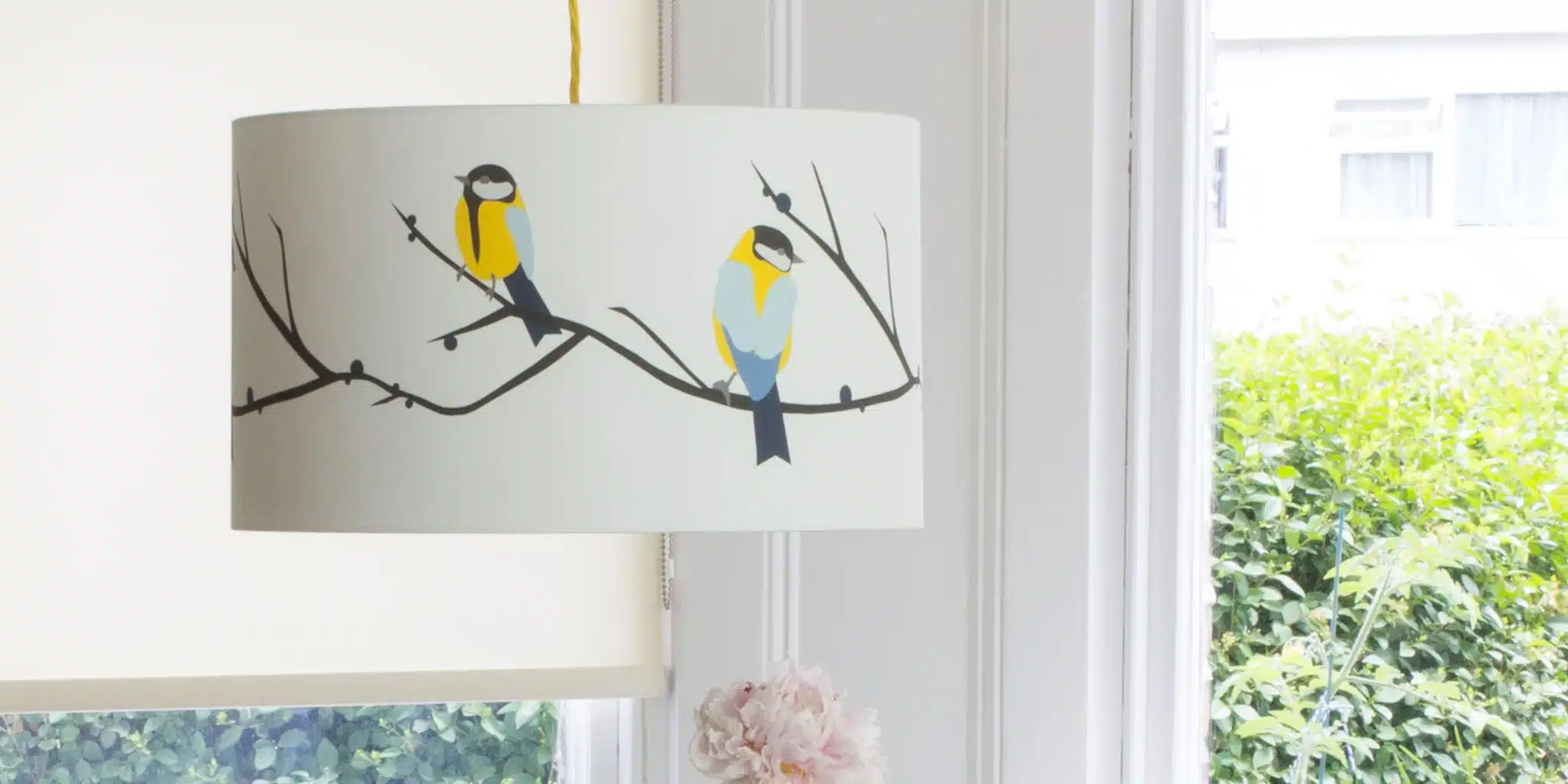
Patterned lampshades are stepping back into the spotlight, and for 2026 they are less about busy matchy-matchy rooms and more about how light, colour and print make a space feel. If you have been wondering whether a floral, bird or meadow design can work in a modern home, you are in the right place.
In this listicle, we are looking only at Lorna Syson lampshades, with Bird, Floral and Meadow designs as our starting point. First, we will look at why patterned lampshades are having a moment in 2026. Then we will take each design family in turn: Bird lampshades that bring wildlife in, Floral lampshades that soften a room, and Meadow lampshades with grassy, windswept calm. We will also cover how the print behaves once the light is on, how to match a print to different rooms, and how to keep floral and bird prints looking modern rather than dated. Finally, for interior designers, curtain makers and retailers, we will look at Lorna Syson lampshades, before you take the next step: one shade, one room, one print.
Why Patterned Lampshades Are Having a Moment in 2026
Designers are talking about floral lighting right now. Rebecca Robeson has written that floral prints on lampshades, glass flowers in chandeliers and petal or leaf pendants were appearing everywhere at a lighting market, her post drew 16K views, 231 reactions and 65 comments. Robeson cautions that floral lighting can veer into dated territory if not executed with care.
A shade carries more mood than its size suggests. A January 2026 lighting video (129,306 views) discusses lighting as one of the most significant design decisions in a home. It is also the one fixture you look at directly every evening, and lighting shapes how a room feels, as House Beautiful’s guide to lighting and wellbeing sets out.
Thoughtful execution is therefore the thread here: a guided tour of Lorna Syson’s bird, floral and meadow lampshade designs and how to place them. Not a comparison with other brands, or a ranking of shades.
Worth saying: the 2026 floral trend is a designer conversation, not an industry statistic, but it’s a lively one.
1. Bird Lampshades: Wildlife Designs That Bring the Outside In
With that in mind, bird and wildlife motifs sit alongside floral and meadow as one of Lorna Syson’s core strands, running across the brand’s fabrics, wallpapers, homeware and greetings cards. A bird lampshade simply carries that same illustration language into lighting. You’ll find the dedicated range on lornasyson.co.uk.
Of the three design families, bird prints are the quietest. They’re for rooms where a detail is noticed on the second look: hallways, stairwells, reading corners and bedside tables. I wouldn’t put one over a dining table as a centrepiece. Let the shade be the only patterned thing in view. Keep walls plain and warm neutral, then add interest through texture instead: wool, linen, wood, rattan. That way the birds stay crisp rather than cluttered.
And resist stacking motifs. One bird shade with plain cushions looks intentional. A bird shade plus bird wallpaper plus bird cushions tips the room straight into theme park territory, which is the dated look worth avoiding.
Think about scale too. Small, delicate motifs generally read best on shades viewed from across a room, such as floor lamps and pendants. A shade seen up close at a bedside or desk can take a pattern you enjoy close up.
For trade readers, the bird designs also appear in the brand’s British-designed wallpaper inspired by nature and fabrics, so a shade can be specified alongside fabric in the same design family without a second supplier.
2. Floral Lampshades: Prints That Soften a Room
If bird prints are the quietest of the three, floral is the one that shifts the mood. A floral shade from Lorna Syson is the most direct way to engage with this conversation.
Floral prints earn their place by softening hard-edged rooms. New-build boxes, kitchens with flat cabinetry and dining rooms built around a dark table all have plenty of straight lines. A floral shade adds curve and movement to a surface that would otherwise stay plain.
Pull one colour from the print and repeat it once or twice elsewhere: a cushion, a lampshade pull or one of the brand’s ceramic candle pots. That small echo makes the repeat look deliberate rather than accidental.
Scale matters too. A fuller, blowsier floral fills a large shade well. A tighter repeat suits a slimmer shade and a smaller space. Ask how the design reads at the size you are ordering before you commit.
For a modern finish, keep the base plain matte, choose an unfussy shade silhouette, and avoid a competing pattern nearby. Switch the ceiling light off when the floor or table lamp is the light doing the work. Get those details right and a floral shade feels current, not dated.
3. Meadow Lampshades: Grassy, Windswept Prints for Calm Rooms
If floral makes a statement, meadow whispers it. It sits between the two: less formal than a structured floral, more expansive than a single bird motif, and the easy pick when a room needs softness without sweetness.
Bedrooms and calm living rooms respond best. On a bedside or side table lamp, a meadow shade gives a low, warm glow instead of the glare of an overhead fitting. The Juneberry & Bird Lampshade shows the two families meeting.
Colour is where meadow earns its keep. These designs sit in the green and pale end of the palette, so they pair readily with off whites, sage, oatmeal and natural wood, making them the simplest of the three to add to furniture you already own.
Layer a meadow shade quietly. If the room already has a plant, a botanical artwork or a garden view, it gains a garden-facing feel without a full redecorating project.
On bulbs, a warm white bulb in the 2700K to 3000K range keeps greens and pale tones at their softest.
How the Print Behaves Once the Light Is On
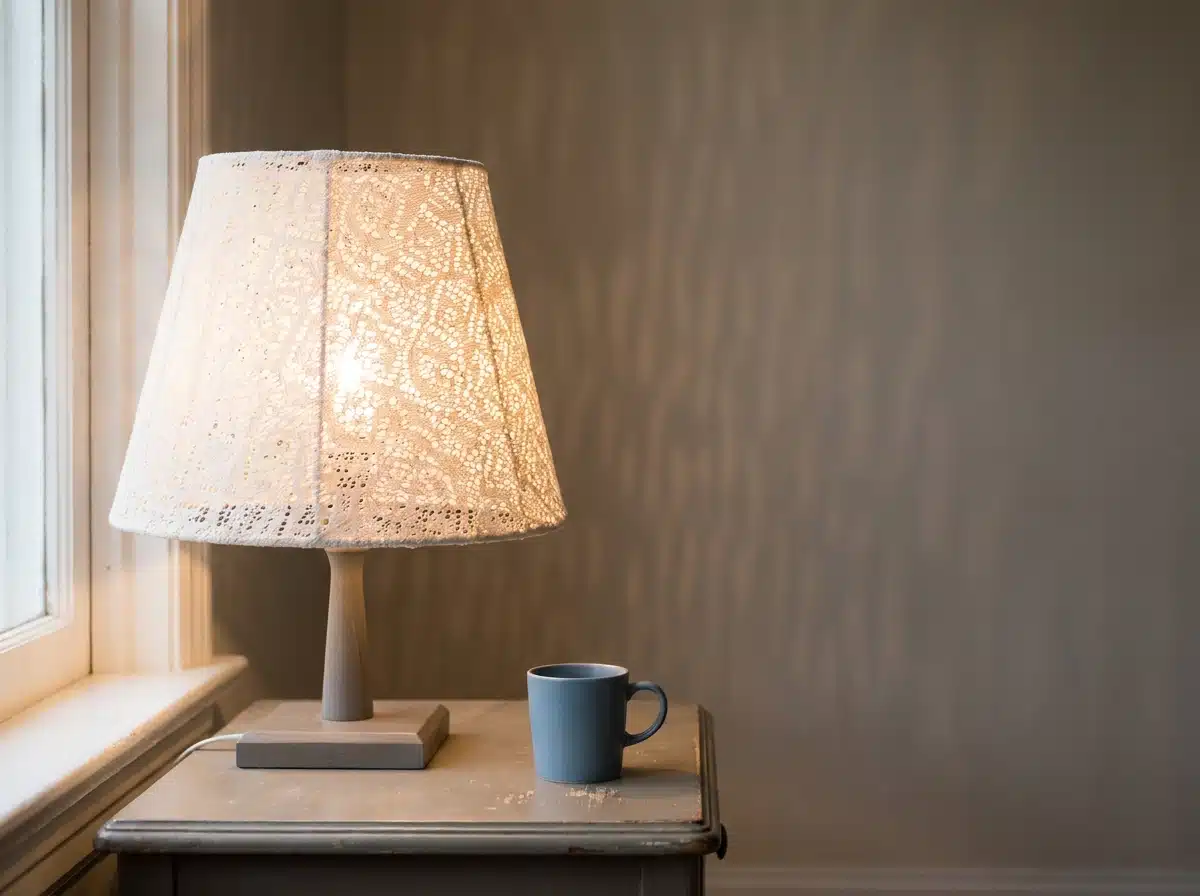
Once lit, a patterned shade starts behaving like light. The fabric filters the bulb and throws the print onto nearby walls. In practice, you may notice the same design feels crisp at 3pm and soft at 9pm, so it is worth judging the shade in both conditions.
From a styling perspective, pale, open patterns glow and read larger once lit; denser, darker prints absorb more and stay contained, so a bold floral can gain night-time presence it lacked by day.
Check the product photography on lornasyson.co.uk and, if the design comes as fabric or wallpaper, compare the printed material against your wall colour. If you want a feature wall, our guide to how to choose bird wallpaper for a UK feature wall covers scale, repeat and light before you commit.
As covered in the meadow section, treating the shade as one of two or three light sources rather than the room’s only light lets the print become atmosphere. Because the pattern is always seen in context, light level and surrounding surfaces matter as much as the print itself. That is the thinking behind the room by room advice that follows.
Matching the Print to the Room: A Room by Room Guide
Here’s where each print earns its keep.
Living room: A larger floor lamp or tall side table lamp with a bird or meadow shade anchors a seating corner. Keep sofa cushions plain so the print keeps the attention.
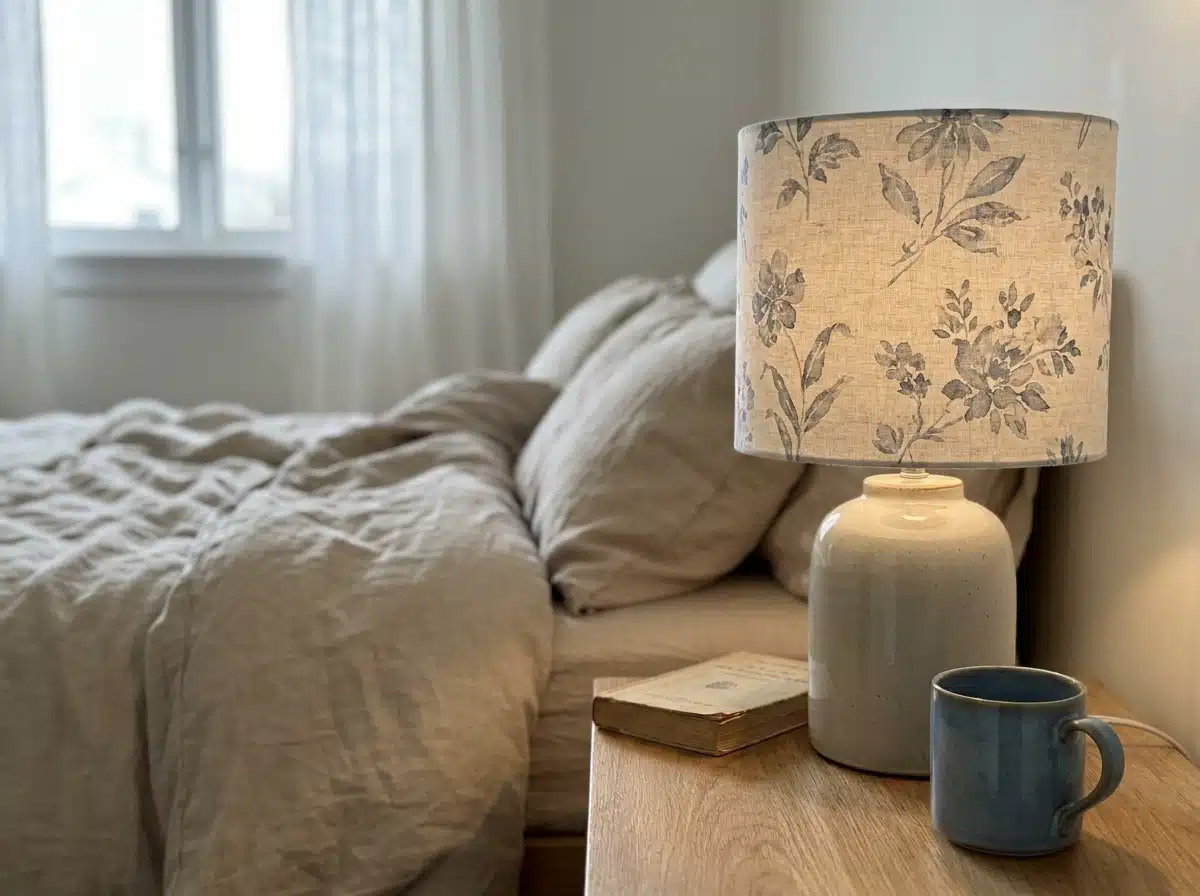
Bedroom: A small meadow or floral shade at the bedside gives a low glow for reading. Echo one colour from the print in the bedding and the pair tie together without full pattern matching.
Hallway and stairs: Bird prints suit this spot because the motif is caught in passing. A pendant, or a slim shade on a console lamp, stops the space feeling like nothing but corridor.
Dining room and kitchen: A floral shade over the table or on a sideboard lamp softens hard surfaces. Skip anything busy enough to fight the plates, the fruit bowl and the houseplants.
Home office: A mid size shade in a quieter meadow or bird print keeps the edges of the room calm. Lighting levels for different tasks vary, so a softer glow beats one bright overhead fitting and gives a work corner personality.
Everything above is styling guidance drawn from how prints behave with light, not specification. See Autumn Interiors and Nature-Inspired Prints for how the same palette thinking works at home.
How to Keep Floral and Bird Prints Looking Modern, Not Dated
However you placed yours, a few rules keep it current.
- One patterned shade per sightline. Stand where you sit and look: if two printed things land in one view, one goes. Pattern stacking, not flowers, is what dates a floral room.
- Weight the base, simplify the silhouette. A plain matte base and an unfussy shade shape let the print talk. The fussier the fitting, the more vintage it reads.
- Repeat a colour, not a motif. As noted in the bird section, pull one shade from the print and echo it twice in plain accessories. Adding a second botanical pattern to prove the theme is where it slips.
- Mix textures instead of motifs. Linen, wool, wood, stone and a plain rug add depth without competing.
- Test before you commit. Photograph the room with the intended shade position included, or hold a matching fabric or wallpaper from the same design family against your wall paint. Revisit it a day later.
- Buy for the long run. Choose a print you expect to enjoy for years to come. The 2026 floral conversation is designer opinion, and trends move far faster than a good shade wears out.
Lampshades for Interior Designers, Curtain Makers and Retailers
If you are specifying for clients rather than your own front room, the same designs work for you. Lorna Syson supplies interior designers, curtain makers and homeware retailers, while also selling direct to individual homeowners, so a pattern you spot for a client scheme is available for a single room refresh too.
The coordination trick is to stay within one design family. If a fabric or wallpaper is already going into the scheme, choose a lampshade from the matching family, and the window treatment, the wall and the lamp all read as one coordinated set from one source.
Practical details worth knowing
- Free delivery applies on orders over £100, check the live threshold before ordering.
- A 10% first order offer comes with newsletter sign up, if it is live on the site. That is a sign up benefit, not a trade discount.
- Trade readers: start with the Lampshades category on lornasyson.co.uk, then get in touch via the website to discuss your requirements. Account terms and minimums are not published, so ask rather than assume.
Every recommendation here stays within Lorna Syson lampshades.
Your Next Step: One Shade, One Room, One Print
Trade or homeowner, the last step is the same: one print, one room, one shade.
- Pick one design family per room. Bird for a quiet detail noticed in passing. Floral for softening a hard edged space. Meadow for calm and easy colour mixing.
- One patterned shade per sightline, plain walls, a simple matte base, and two or three light sources instead of one overhead.
- Test the print against your room. Hold a fabric or wallpaper from the same design family to the wall colour. Or view the shade lit and unlit, by day and night.
- Check lornasyson.co.uk for current designs and confirm the live delivery threshold.
- Sign up to the newsletter for the first-order offer; contact the brand directly for trade terms.
- Keep the trend caveat in mind. The real test is whether you still like the print once the season’s novelty has passed.
One shade, one room, one print. That is how a Lorna Syson design earns its place.
Conclusion
Patterned lampshades in 2026 are about more than trend. A Lorna Syson bird, floral or meadow design brings wildlife, softness or calm into a room, and each print changes character once the light is on. Match the print to the room, then live with it lit and unlit before you commit. Your next step is simple: one shade, one room, one print. Choose the print you will still love after the season passes. That is how a Lorna Syson design earns its place.